
Assam, Carried Forward

Assam is a place shaped by generations, by the hands and choices of its people. This essay asks a simple question: what will you carry forward, and what will you let fade? History will notice, and the decisions we make today echo far beyond our own lives.
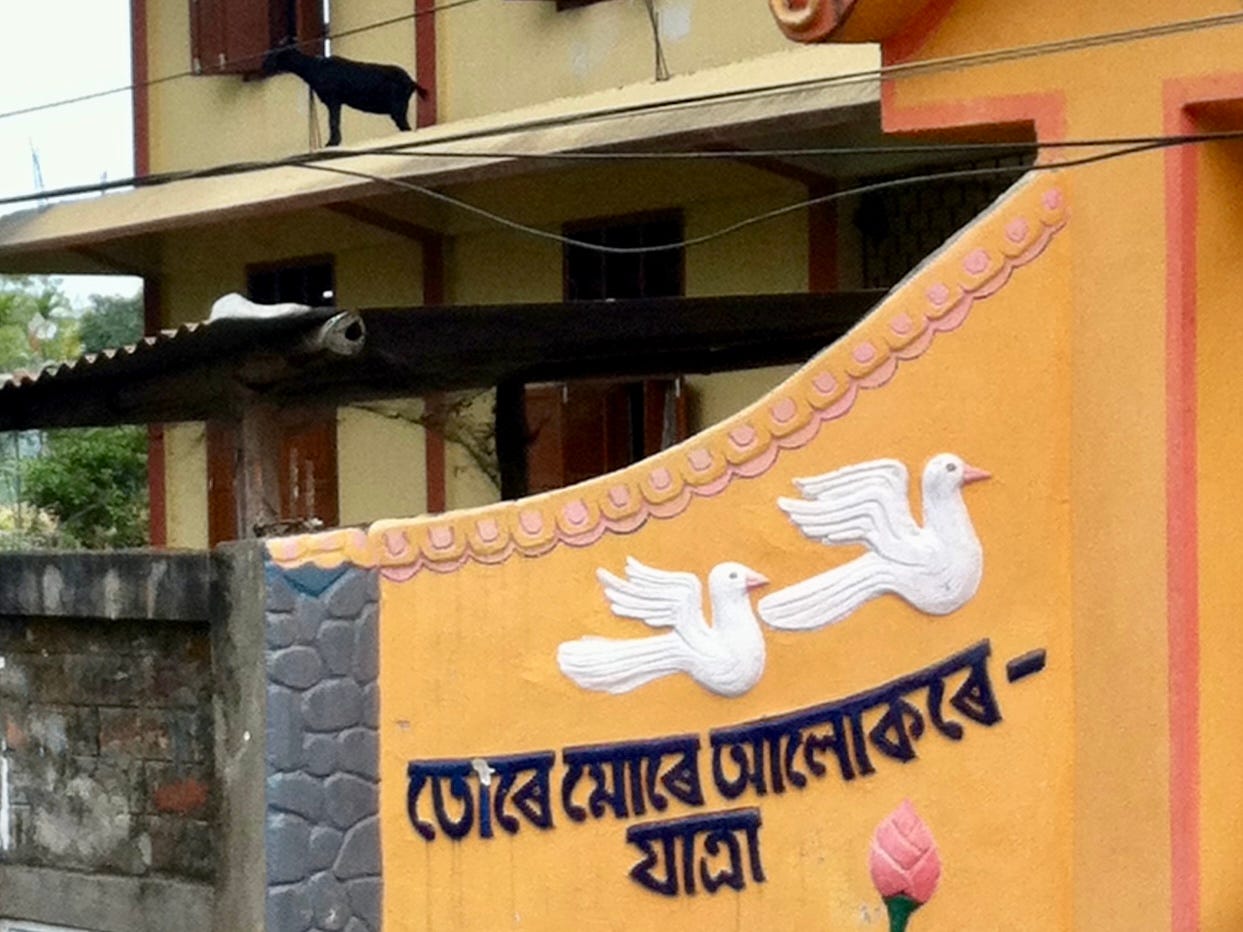
In a year of writing about Assam, one truth keeps returning. The traditions, the crafts, the rhythms of daily life, all survive only because someone shows up, keeps the practice alive, and passes it on. Nothing in Assam is sustained by law or decree alone. It exists because it is cared for, practiced, and repeated across time.
Tea estates, namghars, weaving looms, bamboo crafts, festivals, and literature—they are not relics. They are living connections to those who came before and those who will come after. Each cup of Assam tea is flavored by generations of labor and memory. Each borgeet or story carries devotion, skill, and reflection. The land and its culture persist through the quiet, daily choices of people who commit to them.
Assam has always absorbed people, but absorption demands participation. It asks each generation to carry forward what matters. Belonging is not about arrival or ancestry alone. It is about showing up, investing care, and choosing to sustain the threads that bind this land together.
Today, Assam faces pressures that are visible and subtle. The patterns of settlement have shifted, demographics have changed, and tensions have arisen. That is understandable. It is a reminder that the strength of a place lies not in static boundaries but in the commitment of those who live there to the culture, practices, and continuity that define it.
The question before each of us is not abstract. It is immediate. What will we carry forward? What will we let fade? These choices are ours to make now, and history will remember. Assam is not a story that happens to people. It is a story written by the people who choose to keep it alive.