
Forging Tradition: The Timeless Art of Assam’s Bell Metal Craft
In Assam, the art of bell metal is more than tradition. It is a living thread in the region’s cultural fabric, where each hand-forged piece reflects devotion, craftsmanship, and a deep connection to place.
The story of this craft reaches back many centuries. Some trace its origins to the 7th century, when Bhaskar Varman, an early ruler of Kamarupa (an early kingdom in what is now Assam), welcomed the Chinese monk Hiuen-Tsiang with gifts that may have included bell metal vessels. What is more certain is that by the 13th century, under the Ahom dynasty, the practice had taken firm root in Assamese life. Families from the Kahar community became known for their skill, passing the craft down through generations. No written manuals preserved the technique; instead, it was passed on through repetition, memory, and care. In towns like Sarthebari, the tradition settled in slowly, becoming part of both daily living and sacred ritual.
That legacy continues in the objects themselves.
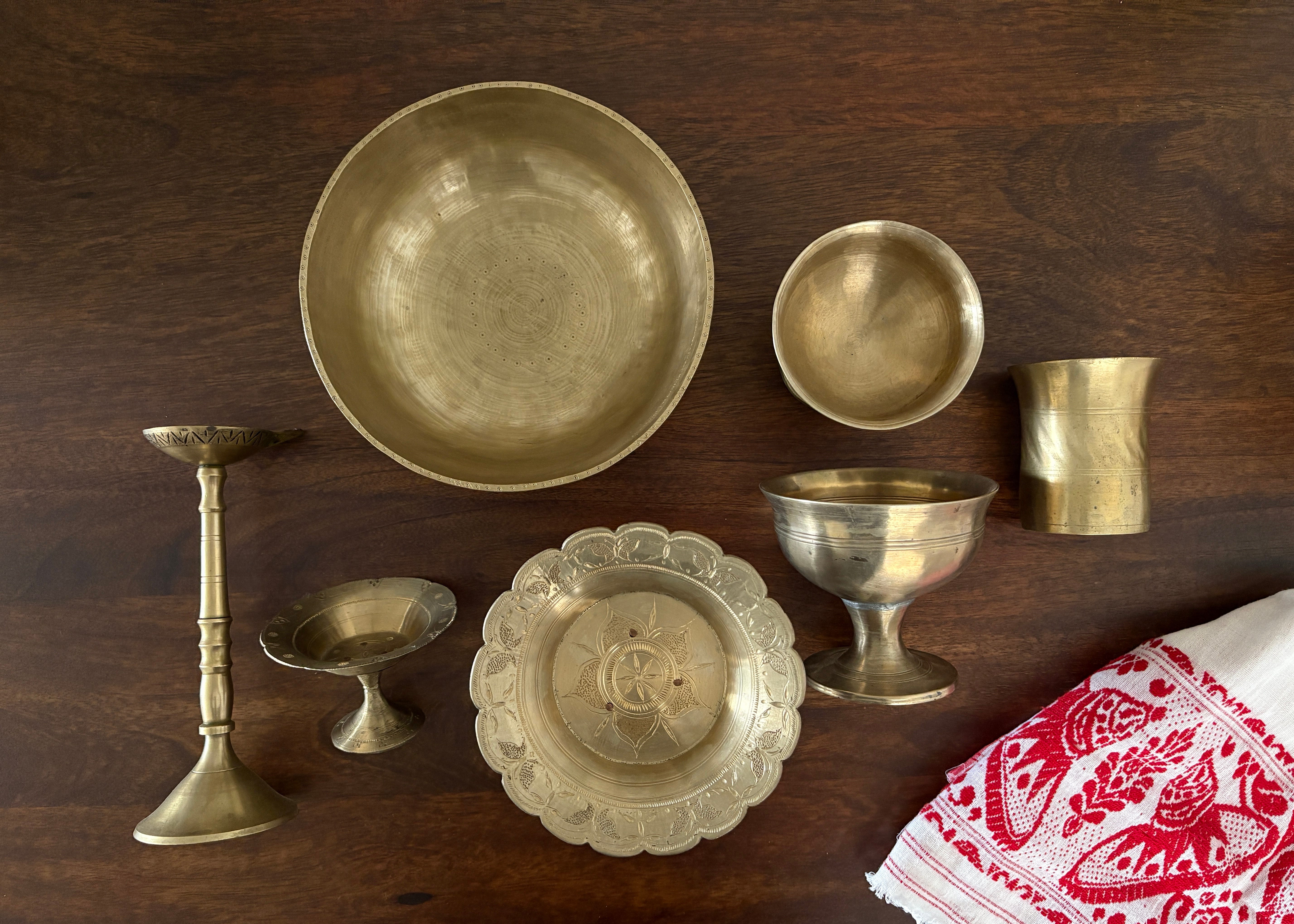
Bell metal, an alloy typically made from copper and tin and sometimes blended with zinc, has been shaped for centuries into both everyday and ceremonial objects. The resulting pieces, from kitchenware to prayer utensils, carry practical function and symbolic meaning.
The process is slow and exacting. Passed down through generations, it demands patience, strength, and practiced skill. Heated over fire and hammered into shape, each item is polished to a warm gleam and bears the imprint of the hands that made it.
In Assamese homes, bell metal holds a quiet presence. It appears during everyday meals, like the lota, a slender vessel used for water in daily rituals, and the kahi, a plate for serving food. Bowls such as the bati and containers called bota carry significance beyond their practical use. Often handed down through families, these objects link the ordinary with the sacred and the present with the past. Each piece tells a story of craftsmanship and care, holding traces of memory in the rhythms of daily life.
Source: The Echoes of Heritage, Bell Metal, Sarthebari, Baniakuchi, Hajo, Craft, Culture, artisans of Assam. Cultural Heritage.
In an era where machines dominate mass production, the artisans of Assam persist, safeguarding an enduring symbol of identity in a rapidly changing world. It is memory made tangible, an enduring expression of care, identity, and continuity.
Though modern materials have transformed many industries, bell metal endures. The artisans who continue this work are not just makers. They are keepers of tradition, guardians of cultural identity, and quiet custodians of ancestral knowledge.
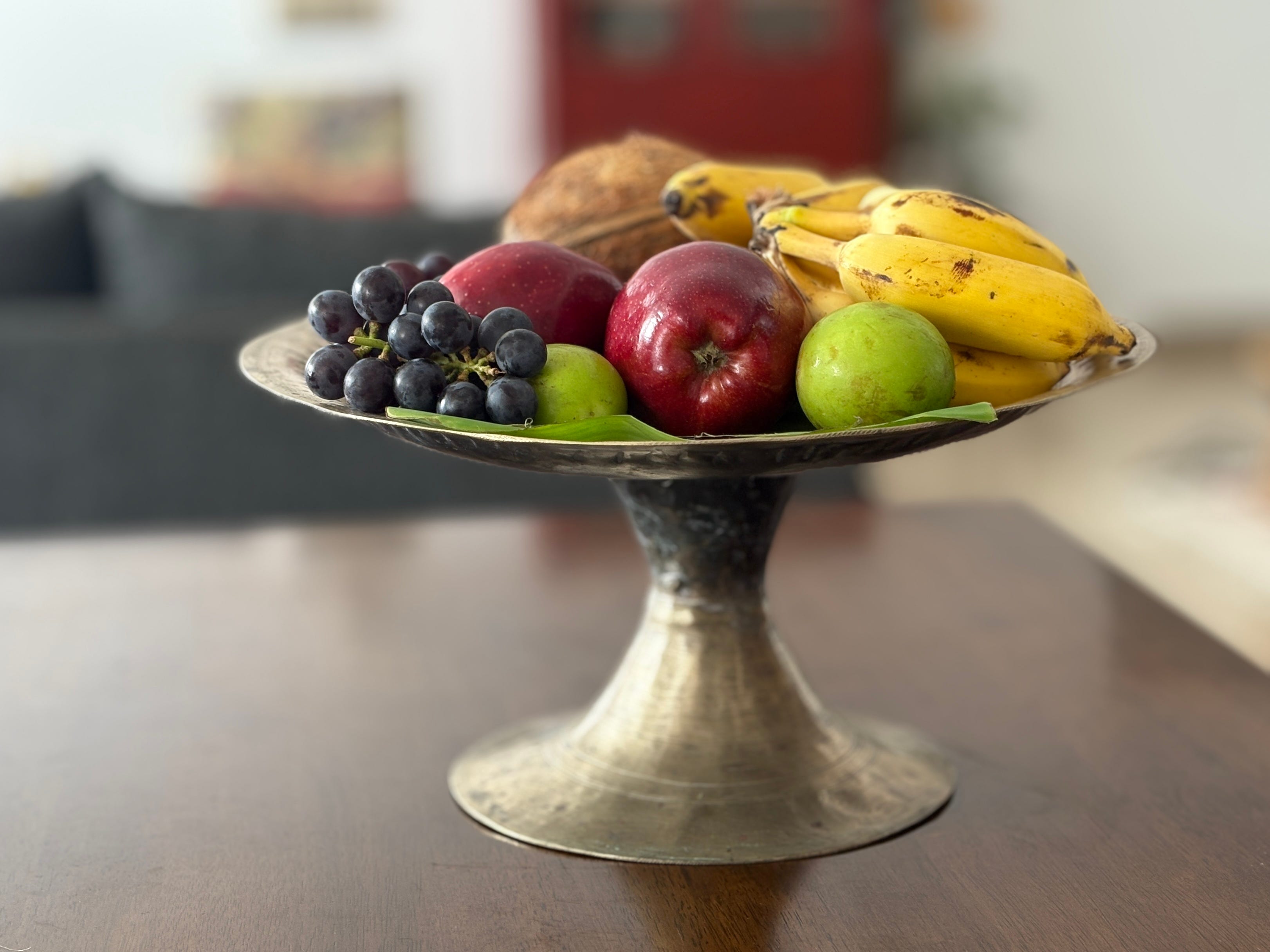
As ancient crafts fade from memory, supporting these artisans becomes a meaningful act. When you choose bell metal, you don’t just acquire an object. You participate in the preservation of an art form, connect to the wisdom of the past, and become a steward of a legacy that will endure for generations.
Interesting article!Over here, we have "Selangor Pewter". Selangor is one of the states in Malaysia where I live now.
Thanks so much for this. Fascinating. But, the big question for me is why it's called "bell metal." You mention it's traditional uses and that objects made from this metal become meaningful heirlooms, but did I miss something about bells?